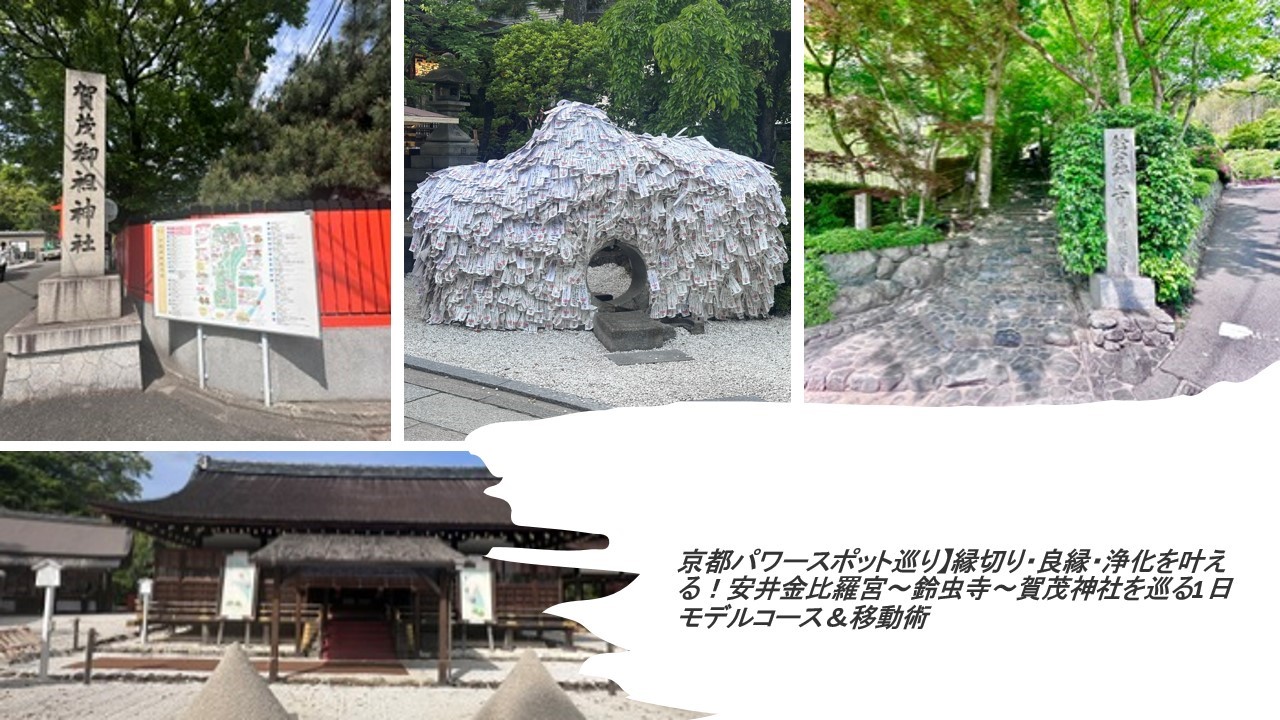


- From Breaking Bad Bonds to World Heritage Purification — A Complete Kyoto Spiritual Journey
- 1. Yasui Konpiragu: Start by Cutting Bad Ties
- 2. Suzumushi-dera (Kegon-ji Temple): One Wish to the Sandal-Wearing Jizo
- 3. Shimogamo Shrine (Kamo-Mioya-jinja): Deep Breaths in the Ancient Forest
- 4. Kamigamo Shrine (Kamo-Wakeikazuchi-jinja): The Ultimate Purification to End Your Journey
- Today’s Route at a Glance
- Smart Transportation Tips
- FAQ
- Tips for Maximizing Your Spiritual Experience
- What to Bring
- Final Thoughts
From Breaking Bad Bonds to World Heritage Purification — A Complete Kyoto Spiritual Journey
Kyoto is home to countless power spots, but many visitors find themselves wondering: Where do I even begin? This guide proposes a golden route that efficiently covers everything from Higashiyama in the east to Kitayama in the north — walking you through a step-by-step journey to release what no longer serves you and welcome fresh, positive energy into your life.
1. Yasui Konpiragu: Start by Cutting Bad Ties
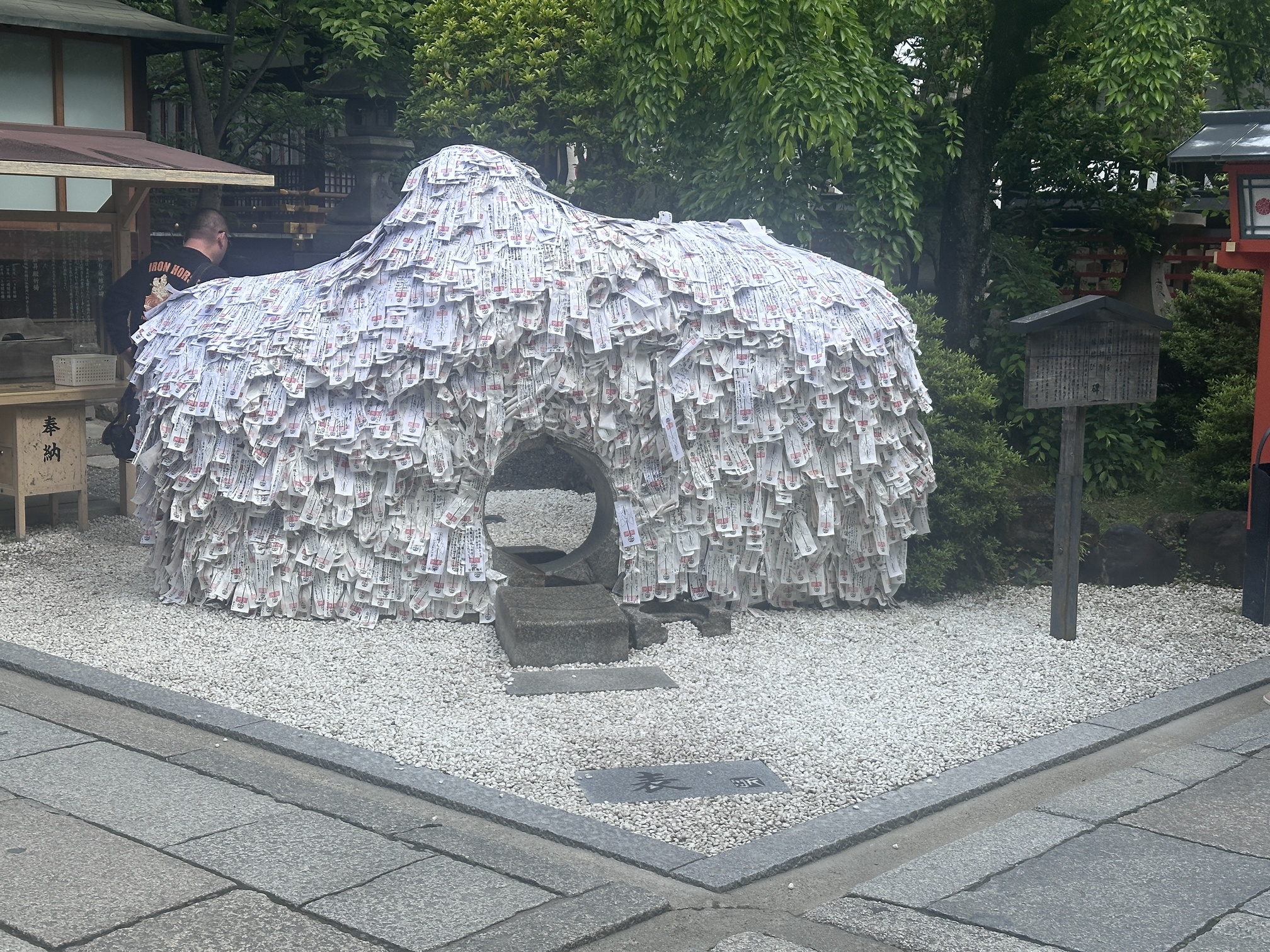
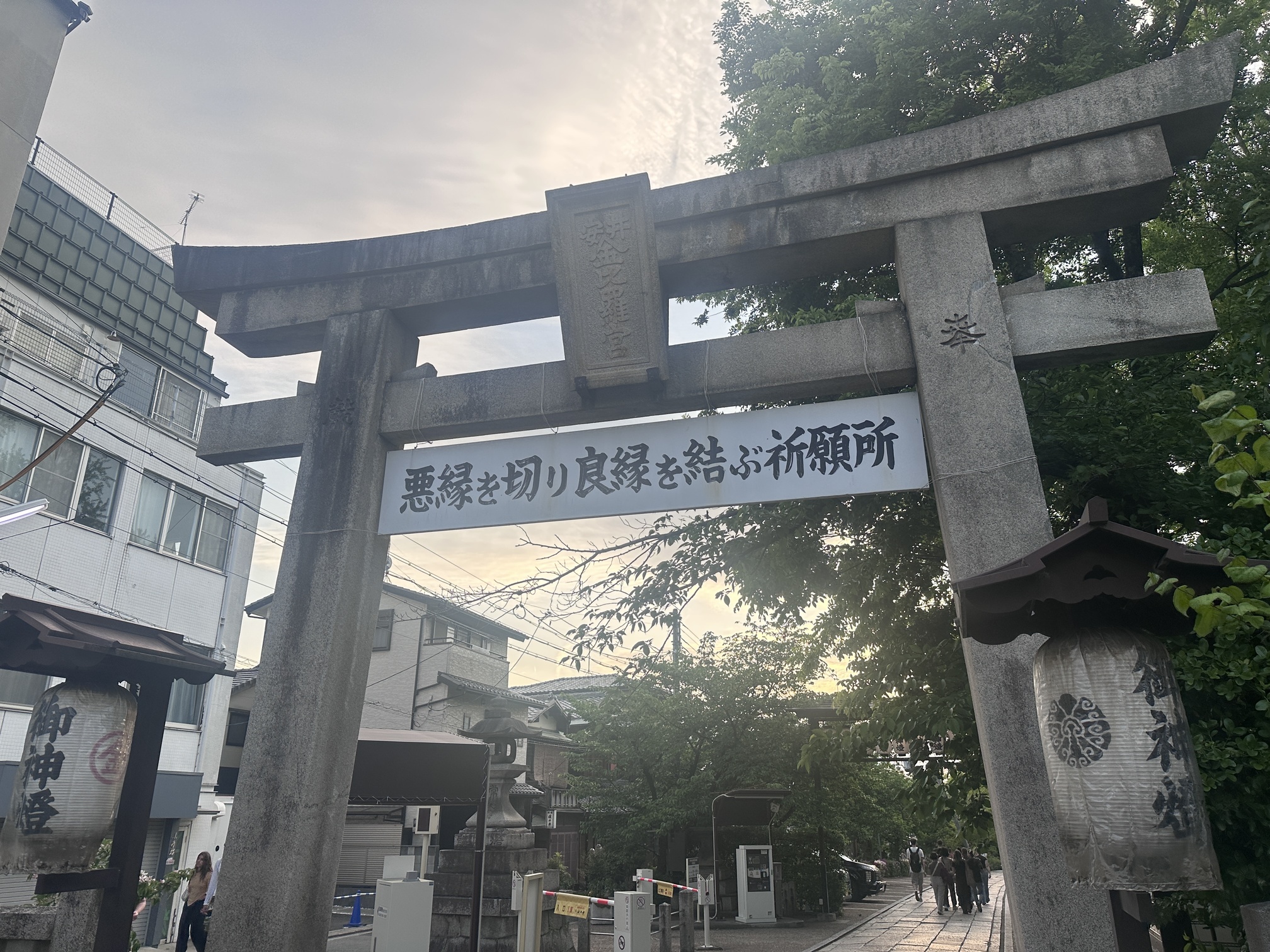
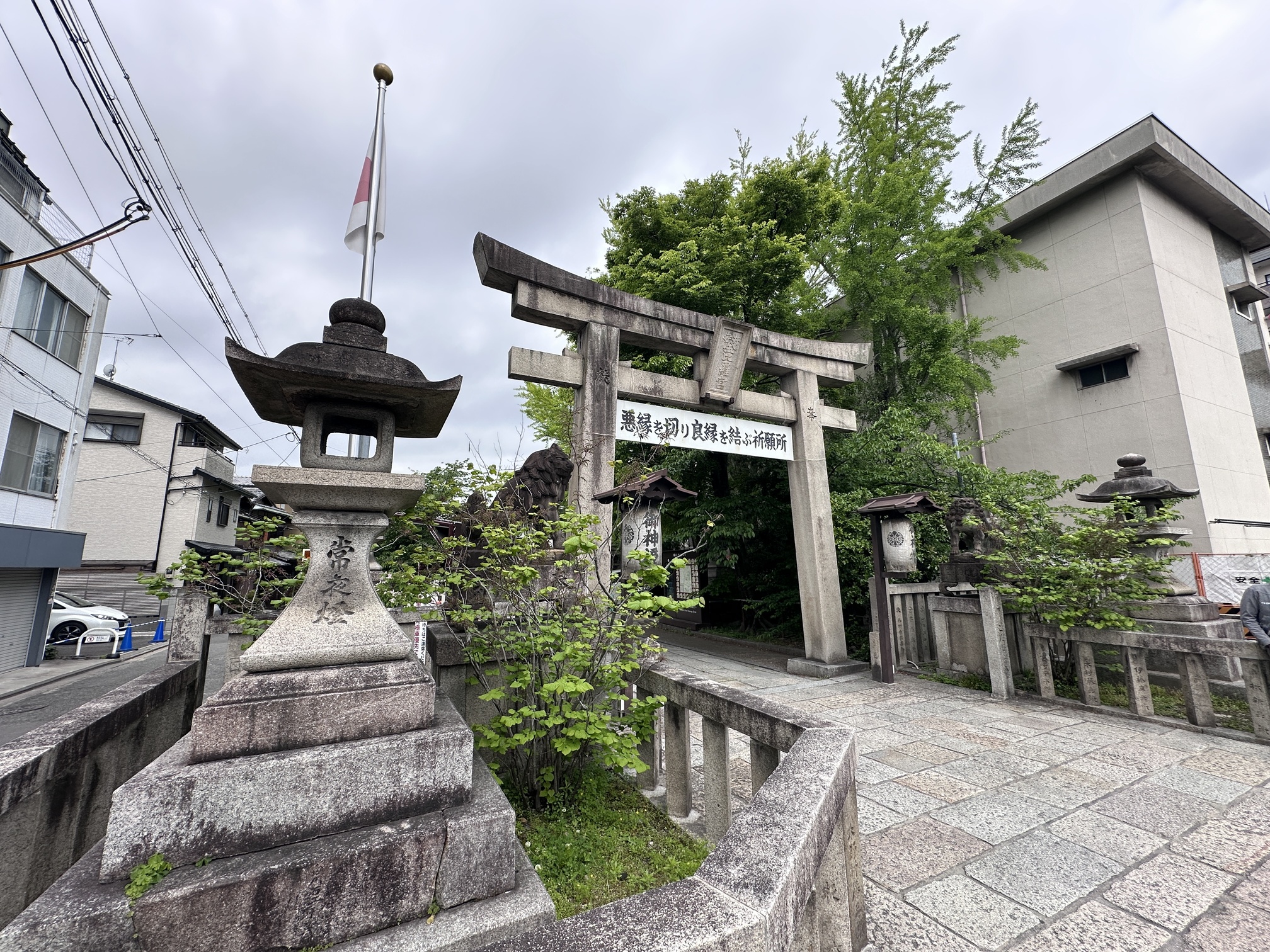
Location: Higashiyama Ward, Kyoto
Your journey begins at Yasui Konpiragu, one of Kyoto’s most famous “en-kiri” (bad-tie-cutting) shrines. Release unwanted connections here first, then head west toward Suzumushi-dera. Note that this cross-city journey takes some time, so combining the subway and city bus is the smartest way to travel.
“Cutting ties” is not a dark or scary experience. Think of it as spiritual decluttering — making space for the new. After your visit, find a nearby café, sit down, and give yourself a moment to breathe.
Highlight — The En-Kiri En-Musubi Stone (縁切り縁結び碑)
The word “en-kiri” (cutting ties) might conjure images of dramatic breakups, but this place is really a powerful psychological reset — a space to release negative thought patterns, past regrets, and self-limiting beliefs.
The Ritual:
- Write your wish on a katashiro (paper doll).
- Crawl through the stone from front to back — symbolically releasing old attachments and bad habits.
- Crawl back from back to front — welcoming your new self and the good fortune you desire.
This embodies a beautiful law: only by letting go can something new come in.
Impression: The sheer number of paper slips covering the stone radiates an almost overwhelming energy. It’s a powerful, clarifying start to the day.
2. Suzumushi-dera (Kegon-ji Temple): One Wish to the Sandal-Wearing Jizo
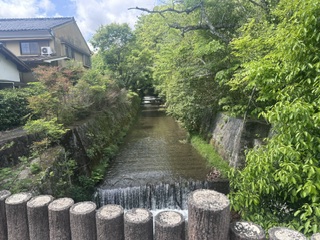
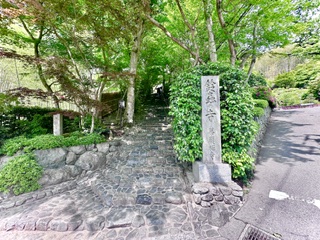
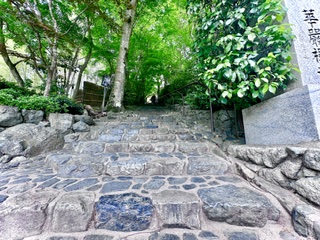
Location: Nishikyo Ward, Kyoto
Next, travel to Suzumushi-dera — a uniquely warm and magical temple where the chirping of bell crickets (suzumushi) fills the air all year round.
The famous suzumushi dharma talk given by the head priest lasts about 30 minutes. Waiting times can occur, especially on weekends, so build some flexibility into your schedule.
Highlight — The Dharma Talk & the Kofuku Jizo Bosatsu
The Experience: After enjoying the priest’s witty and heartfelt talk — part comedy, part wisdom, all touching — you are invited to make a single wish. The talk itself is a kind of entertainment: expect laughter, perhaps a few tears, and genuine insight.
The Key Point: The Kofuku Jizo (Jizo of Good Fortune) here is the only Jizo statue in Japan that wears waraji (straw sandals). The teaching goes that after you pray, the Jizo will walk directly to your home to grant your wish.
Don’t forget to tell him your address! 🙏
3. Shimogamo Shrine (Kamo-Mioya-jinja): Deep Breaths in the Ancient Forest
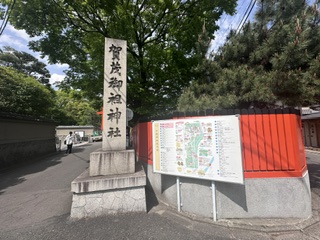
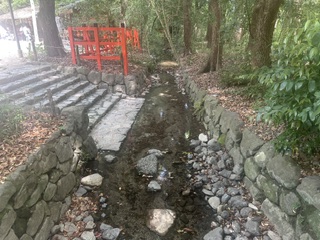
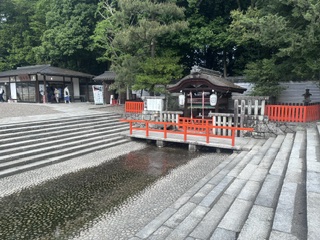
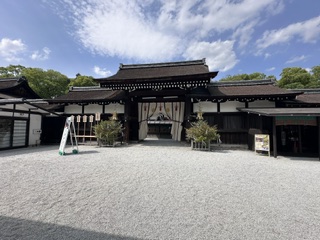
Location: Sakyo Ward, Kyoto (UNESCO World Heritage Site)
In the afternoon, head north to the World Heritage-listed Shimogamo Shrine. Upon arrival, step into the Tadasu no Mori (Forest of Correction) and take a deep, slow breath. Let the ancient trees quiet your mind and body.
Don’t miss Kawai Shrine within the grounds, where you can dedicate a kagami ema (mirror-shaped wooden plaque) for beauty and inner radiance.
After Shimogamo, you’ll continue to Kamigamo Shrine. If the weather is kind, a rental bicycle along the Kamo River is highly recommended — it’s one of the most pleasant rides in the city, completely free from traffic stress.
Highlight — Tadasu no Mori & Kawai Shrine
Simply walking the moss-lined path beneath trees that are hundreds of years old is enough to cleanse the mind.
For Women Travelers: Kawai Shrine enshrines “Japan’s foremost deity of beauty.” Visitors decorate a mirror-shaped ema with their own makeup and pray for both inner and outer beauty — a truly unique and personal ritual.
4. Kamigamo Shrine (Kamo-Wakeikazuchi-jinja): The Ultimate Purification to End Your Journey
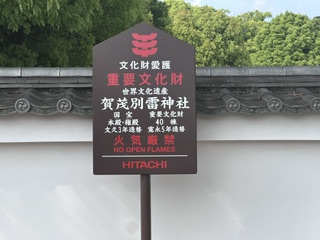
Location: Kita Ward, Kyoto (UNESCO World Heritage Site)
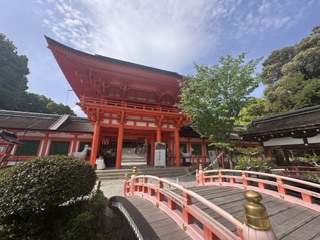
Your final destination is Kamigamo Shrine — the twin shrine to Shimogamo and one of Kyoto’s oldest sacred sites.
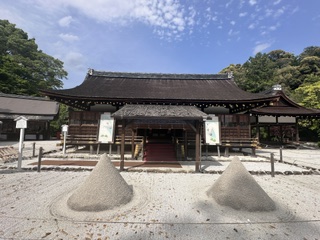
Highlight — The Tatesuna (立砂) Two perfectly cone-shaped mounds of sand stand in the inner precinct, representing the sacred mountain from which the deity descended.
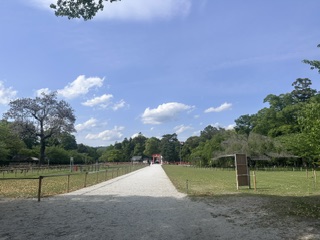
The Experience: Stroll along the gentle stream called Nara no Ogawa that flows through the expansive grounds, and take time to reflect on everything you’ve experienced today.
Impression: The sense of openness here is extraordinary. The sacred air seems to dissolve any lingering negativity, leaving you with a profound sense of lightness and peace.
Today’s Route at a Glance
| Stop | Shrine / Temple | Main Blessing |
|---|---|---|
| ① | Yasui Konpiragu | Cutting bad ties / Inviting good fortune |
| ② | Suzumushi-dera | Granting one heartfelt wish |
| ③ | Shimogamo Shrine | Love & relationship blessings / Beauty |
| ④ | Kamigamo Shrine | Warding off evil / Victory / Purification |
The total distance is substantial, but with Kyoto’s buses and taxis, this entire route is very manageable in a single day.
Smart Transportation Tips
Getting around Kyoto is often the trickiest part of any visit. Here’s how to navigate this route efficiently and affordably.
1. The Best Pass: Subway & Bus 1-Day Ticket
If you’re covering the full route (Higashiyama → Arashiyama area → Kitayama) by public transit, this pass is your best friend.
- Price: ¥1,100 for adults
- Coverage: Unlimited rides on Kyoto City buses, Kyoto City Subway, and Kyoto Bus (some exceptions apply)
How to use it on this route:
- Yasui Konpiragu → Suzumushi-dera: From near Gion, take a bus toward Kyoto Station or Shijo-Omiya, then transfer to reach Nishikyo Ward.
- Suzumushi-dera → Shimogamo Shrine: From the Arashiyama area, take the subway to Kitaoji Station and transfer to a bus — this bypasses most traffic congestion.
2. For Freedom: Rent a Bicycle
On a sunny day, cycling is the most joyful way to travel between Shimogamo and Kamigamo Shrine.
- Best stretch: The two shrines are connected by a single scenic road along the Kamo River (Kamogawa). By bike, it takes just 15–20 minutes.
- Rental rates:
- Standard bike: approx. ¥1,000/day
- Electric-assist bike: approx. ¥2,000/day (recommended — Kyoto gently slopes uphill heading north!)
- HELLO CYCLING (shared bike service) has docking stations throughout the city, so you can rent for just one leg of the journey if you prefer.
3. Route Strategy Tips
- Start early at Yasui Konpiragu — visit before the crowds arrive.
- Golden rule for navigation: Use the subway for north-south travel and buses for east-west or fine-tuned local trips. This minimizes exposure to Kyoto’s notorious traffic jams.
FAQ
Q: Can this route be done in half a day? A: It’s possible if you move quickly and use taxis. However, to truly enjoy the Suzumushi-dera dharma talk and the peaceful forest at Shimogamo Shrine, a full day is strongly recommended.
Q: Does the order of visiting matter? A: The order is flexible, but starting at Yasui Konpiragu to release “unwanted energy and old patterns” first is recommended. Arriving at the other shrines with a clearer, lighter spirit allows you to receive new, positive energy more openly.
Tips for Maximizing Your Spiritual Experience
The most important thing about visiting power spots isn’t making wishes — it’s cultivating your inner state.
- Make a commitment at Yasui Konpiragu: Rather than simply “cutting ties,” declare to yourself: “From today, I choose to live as this kind of person.”
- Be fully present at Suzumushi-dera: Focus on the sound of the bell crickets and the rustling of the forest. Sharpening your senses naturally heightens your intuition.
- Express gratitude at Kamigamo Shrine: Close your journey by offering genuine thanks for a safe and meaningful day. Ending with gratitude seals the experience in positive energy.
What to Bring
| Item | Why You Need It |
|---|---|
| Goshuin-cho (御朱印帳, stamp book) | All four sites offer beautiful stamps |
| 5-yen coins | The traditional lucky offering for shrine boxes |
| Comfortable walking shoes | Tadasu no Mori and Kamigamo’s grounds are large |
| Portable charger | Photos and maps drain your battery quickly |
Final Thoughts
This is more than a sightseeing tour. It’s an inner journey — a chance to clear out the old and invite in the new. By the time you reach Kamigamo Shrine at sunset, you may find that tomorrow feels a little lighter, a little more full of possibility.
Safe and meaningful travels. 🙏

コメント